
This Learning Module was developed to help anyone struggling with a unit idea to develop.
Of course, the very first place to start and constantly revisit are the key components and anchors built into the Arts Standards: Create; Produce, perform, present; Respond; Connect. By exploring any of these online you will find essential questions for art, music, etc. and a lot of thought stimulating starting points. You may also want explore any of the best practices or research-based approaches such as Habits of Mind, Studio Habits of Mind, M.I., D.O.K., UDL, PBL, etc. These ideas listed from an online Wiggins & McTighe Power Point are also useful starting tips:
- Content standards
- Performance goals
- A key resource or activity
- A required assessment
- A Big Idea, often misunderstood
- An important skill or process
- An existing unit or lesson to edit
- Online ‘curriculum share’ sites. (Find exemplary units and adapt some of their concepts – see resource links below)
- Explore online essential questions for art, music, etc.

Big Ideas come from:
- Core Concepts
- Focusing Themes
- On-going Debate/Issues
- Insightful Perspectives
- Illuminating Paradox/Problem
- Organizing Theory
- Overarching Principle
- Underlying Assumption
- Key Questions Q
- Insightful Inferences About Facts U
There are multiple resources available to CAC clients that are similar to this post with lists and links to many of the practices and research shared throughout our course materials, and goes deeper into identifying elements, historical periods, and a wide (and random) assortment of things that may also help you to focus on topics or themes to cover in a well-developed unit.
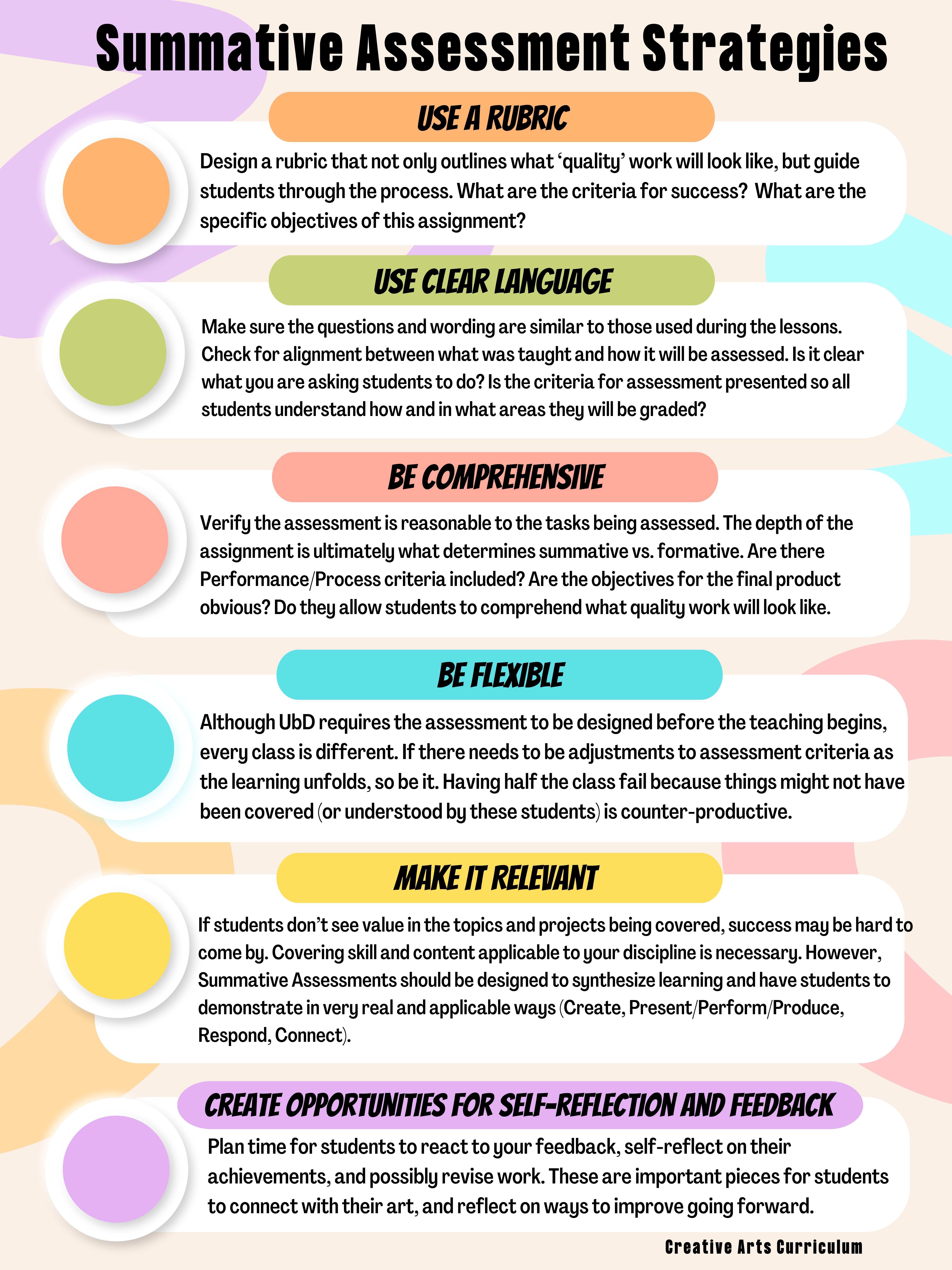
SUMMATIVE ASSESSMENT STRATEGIES
Good old-fashioned books to consider themes and concentrations that offer partially framed unit ideas and some engaging, ready to go unit possibilities.
ART Books that might help frame a teaching unit.
13 ‘art’ things books These are all fairly inexpensive.
- 13 Artists Children Should Know
- 13 Art Materials Children Should Know
- 13 Art Techniques Children Should Know
- 13 Art Movements Children Should Know
- 13 Women Artists Children Should Know
- 13 American Artists Children Should Know
- 13 Paintings Children Should Know
- (13…. Painters, Sculptures, Buildings, Architects, Modern Artists – there are 21 in all)
- Splat! The Most Exciting Artists of All Time
- Art is Fundamental: Teaching the Elements and Principles of Art in Elementary School
- Art: The Definitive Visual Guide
- Fashion, New Edition: The Definitive Visual Guide (Smithsonian)
- NAEA Book Resources
- Many others – you get the idea – go online and search for something.
- Others you might share?
MUSIC Books that might help to frame a teaching unit.
Teaching Music to Children: A Curriculum Guide for Teachers without Music Training (for subs?)
- Classroom Music Games & Activities
- 101 Rhythm Instrument Activities for Young Children
- Unsung: A History of Women in American Music
- Holidays Around the World: Celebrate Cinco de Mayo: with Fiestas, Music, Dance
- Music from Around the World (Music Alive!)
- NAfME Book resources
- Music Education and Social Emotional Learning
- Teaching Music to Students with Special Needs
- A Place in the Staff: Finding Your Way as a Music Teacher
- Many others – you get the idea – go online and search for something.
- Others you might share?
THEATRE Books that might help to frame a teaching unit.
- How to Teach Drama to Kids
- How to Get In To Acting
- Teaching Drama: the Essential Handbook
- Drama Workshop: Teaching Drama to Beginning Actors
- Short Monologues for Acting Classes
It’s also very common, especially at the pre K-5 level, for teachers to build a project or lesson around an age-appropriate reading book. These may tie into holidays or other fun themes to focus a lesson (Halloween, Thanksgiving, etc.) Here’s a link to Amazon’s Teacher Picks that you can sort by grade.
————————————
Below is my ongoing brain-storming exercise to develop this Learning Module further. When I am done editing all aspects of this site, I’m sure to revisit this one module to keep adding ideas (because it’s the newest piece so I need to research a little more). It is very random and includes links at the bottom to sites that focus on cross-curricular ideas for science, math, etc. There’s a lot there and I hope you click on a few to consider developing more STEAM type of units. I AM OPEN TO SUGGESTIONS! – creativeartscurriculumCAC@gmail.com
Unit Themes (working list)
Connections between the arts. The Arts Integration site lists the elements of music, design, theater, and dance. Can you make connections between them or incorporate other art elements into your curriculum design?
Techniques and Skills
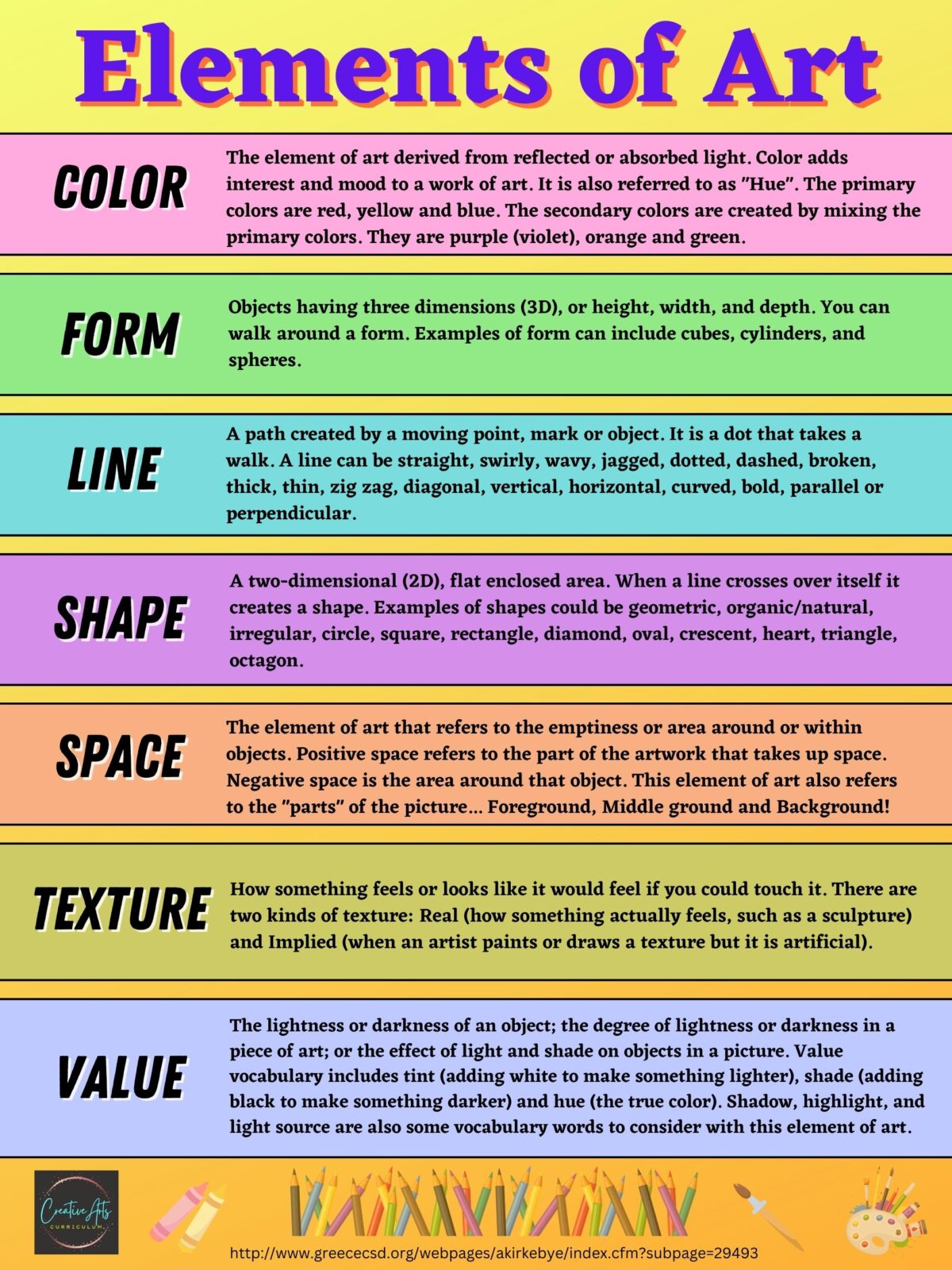
- Elements of Art (color, form, line, shape, space, and texture).
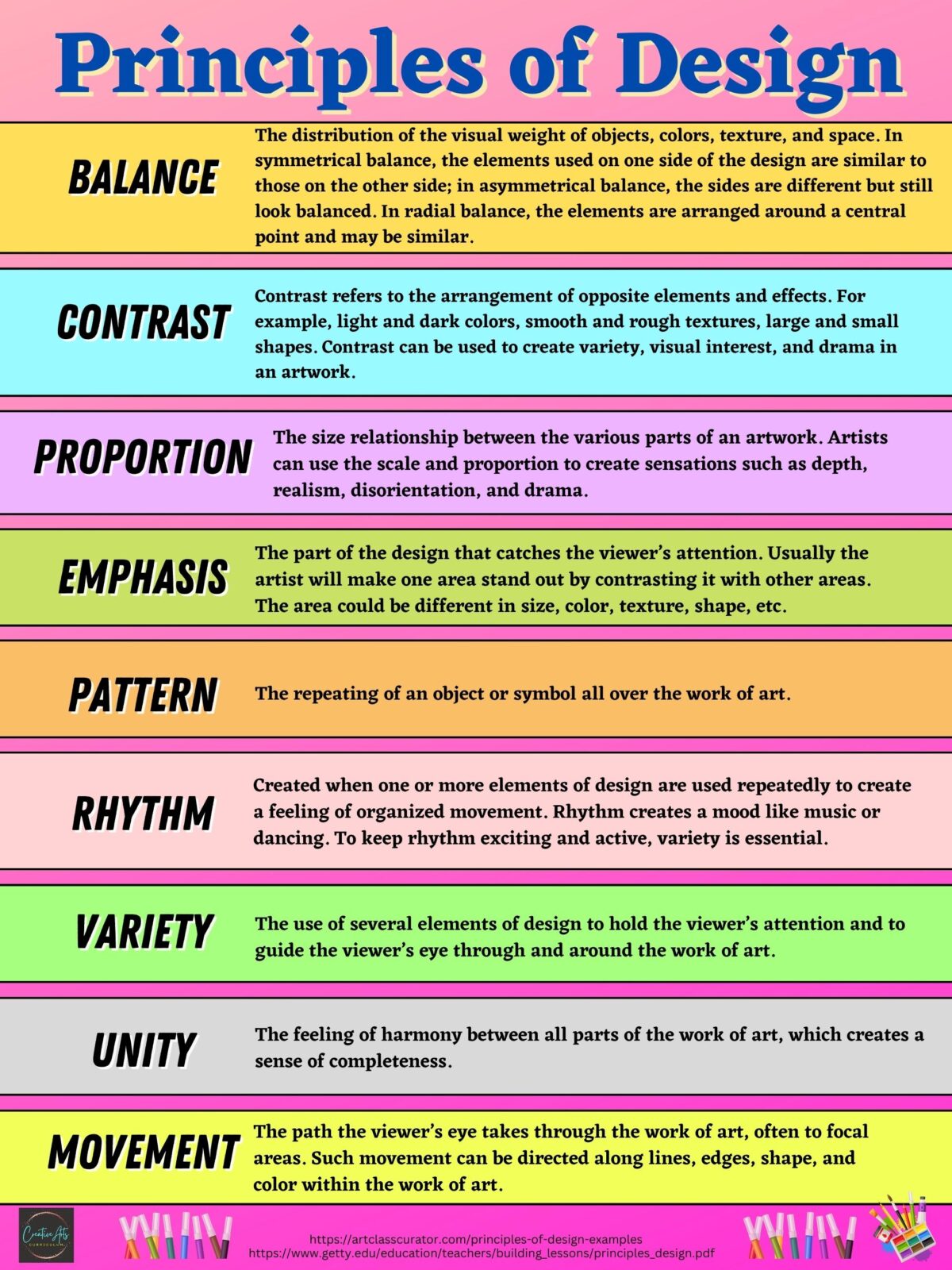
- Principles of Design (scale, proportion, unity, variety, rhythm, mass, shape, space, balance, volume, perspective, and depth).
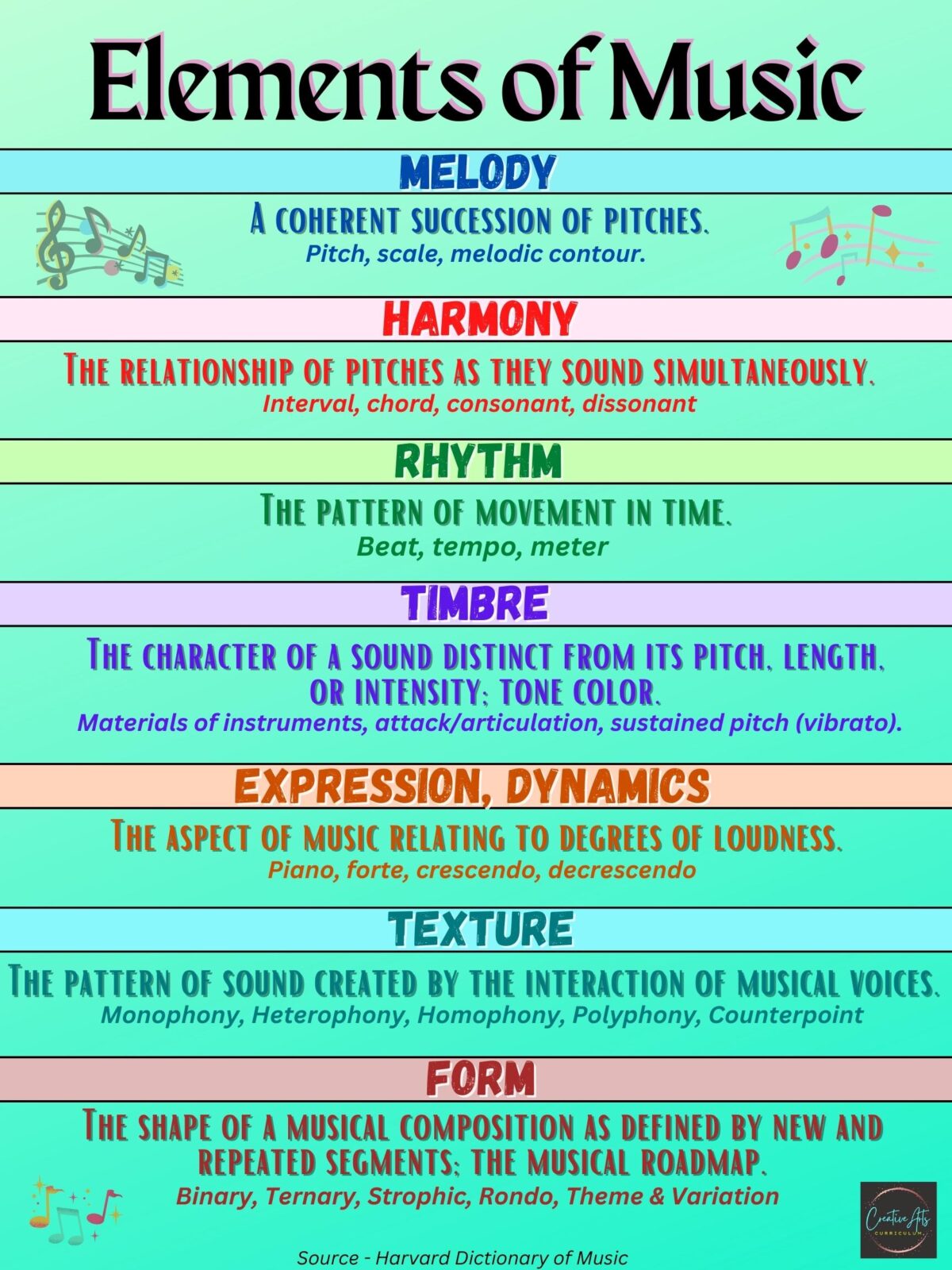
- Elements of Music (dynamics, form, harmony, melody, rhythm, texture, timbre and tonality).
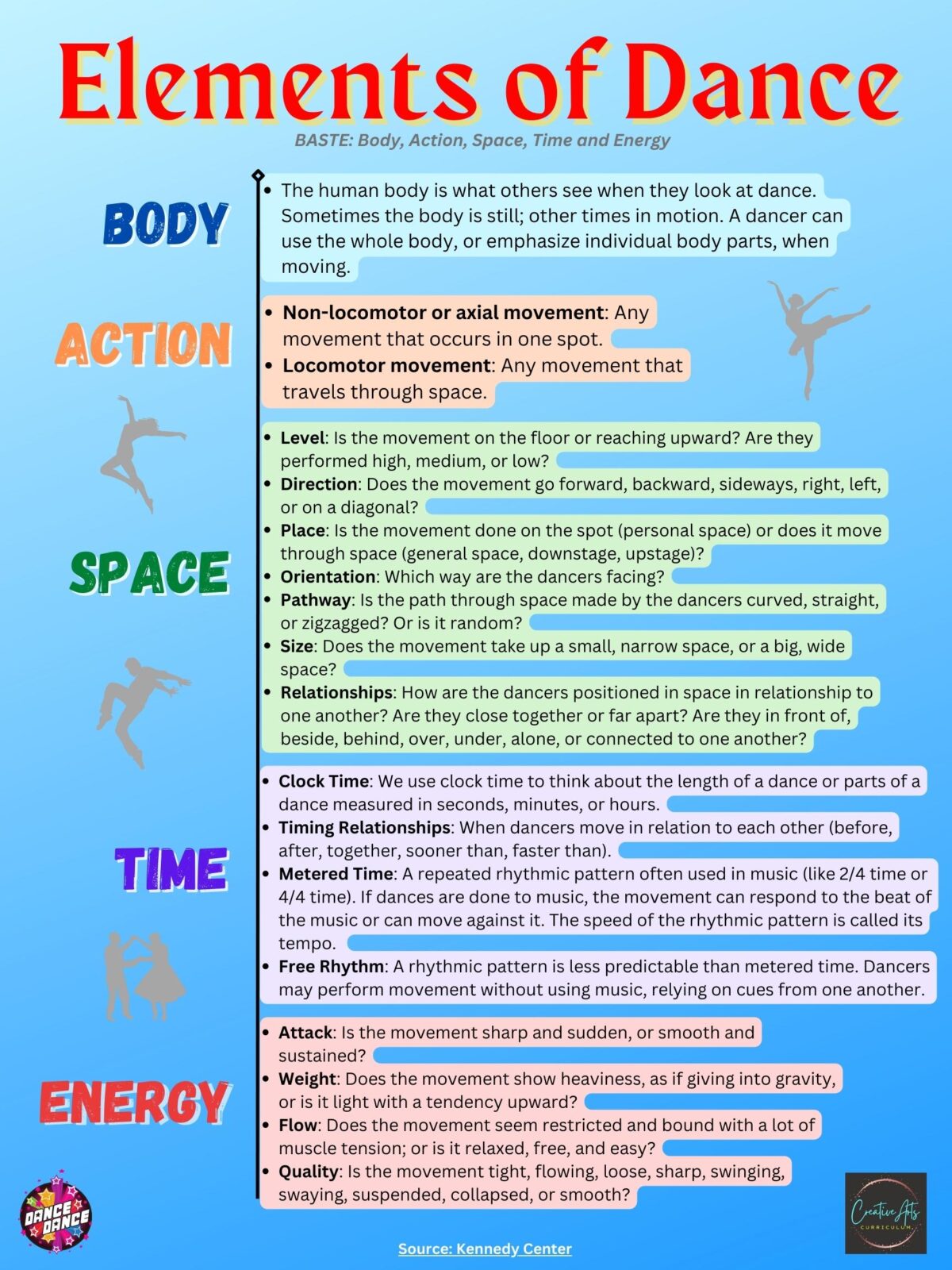
- Elements of Dance (body, action, space, time, energy) – BASTE
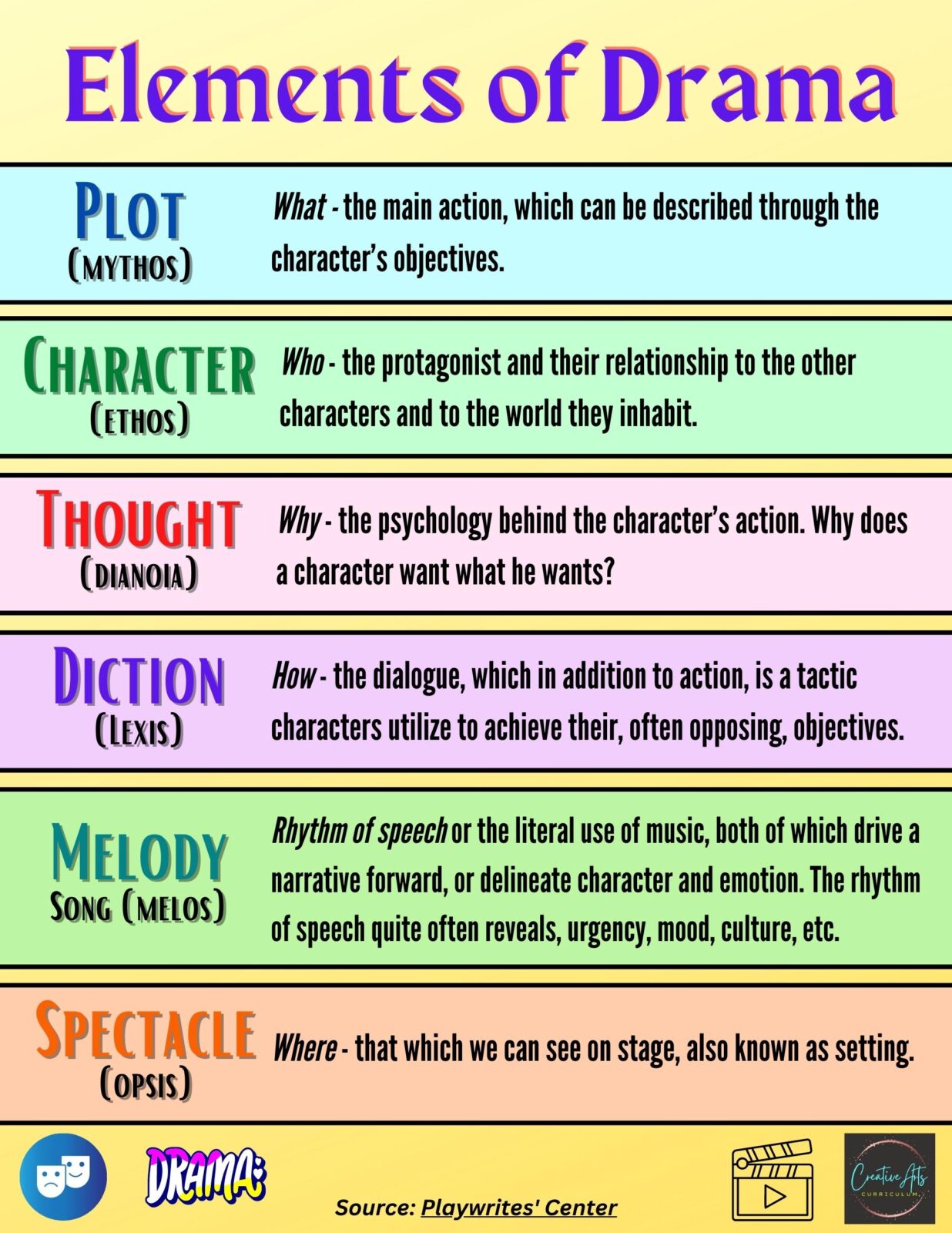
- Elements of Drama (plot, character, thought, diction, melody, spectacle)
History (click on resources)
- Periods of art, music, dance, theatre
- Genres of art, music, theatre, dance
- Biographies
- Historical moments (medley of civil war songs, architecture/landmarks, War Posters)
- Ancient Egypt, Greece, Rome,
- Secular vs. Sacred art
- Cultural / World Icons
- World visual, music, and media artists
- Native Inhabitants, customs
- Museums
Tech/Online Are there online apps to assist you to develop a curriculum unit that is Tech driven?
- Google Classroom – EdTech Channel
- Google Apps Action
- Ditch that Textbook
- Shake Up Learning
- ART
- Artsonia
- Procreate
- Canva
- The Art of Ed
- MUSIC
- Garageband
- Soundtrap Site
- Noteflight
- Bandlab
- Midnight Music – scroll down for free downloads
Community Events
- Art Shows
- Concerts
- Theater Productions – design, sets, costumes, etc.
- School events (STEAM events?)
- Black History Month – February
- Women’s History Month – March (in art, music, dance, etc.)
- National Music in Our School’s Month (NAfME) – March
- Youth Art Month – March
- Jazz Appreciation Month – April
- School Library Month – April
- National Arts and Humanities Month – October
- Recycling
- Water Conservation
- Power Conservation
- Tutoring/mentoring younger students
- Community /Public Art Galleries of student work – Performances
Holidays
- Valentine’s Day
- Earth Day
- Arbor Day
- Patriots Day
- Columbus Day
- Indigenous People Day
- Chinese New Year’s
- Opposite Day (1/25)
- Halloween
- Ides of March
- Cinco de Mayo
- Mardi Gras
- St. Patrick’s Day
- Mother’s Day – Father’s Day
- Juneteenth
- Martin Luther King Jr. Day
- Pinwheels for Peace – International Peace Day
- Dio De los Muertos (Day of the Dead)
Patriotic
- Memorial Day
- Flag Day (Betsy Ross, etc.)
- Veteran’s Day
- Independence Day
- President’s Day
- D-Day
- Labor Day
- Thanksgiving
World
- Geography – Indicative art, music, tools, media, customs, etc.
- Travel Posters – Multimedia presentations with mixed media
- Solstice(s)
- Zodiac, Planets, Constellations, navigation,
- Design throughout history (Museum studies)
ASSORTED Cross Curricular articles
- Art Resources Visual Arts 4 Learning
- Music Strategies Institute for Arts Integration
- Arts Integration Strategies
- Strategies for Using Music in ALL Subjects education week
Art & Science
- Graphing and charting
- Geometric shapes – design
- Creative Thinking in both Science and the Arts – Scientific American
- Why Science Needs Art – Smithsonian
- 8 Art Projects that Incorporate Science – Art of Ed
- 11 Fascinating Artists Inspired by Science – Art of Ed
- 9 Artists Who Are Scientific Innovators – Artsy
- Combining Art & Science – Creativity at Its Best – artwork abode
- Explore and Create: Science Art Projects – what do we do all day
- Science Crafts & Activities for Kids – fun family crafts
- Activities for Kids that Combine Art & Science – learn play imagine
Music & Science
- Acoustics
- Connections: Science & Music. What do science and music have in Common? – Kennedy Center
- Music Science Projects – science buddies
- Music & Science Integration Ideas for Kids – the Domestic Musician
- Music Experiments for Kids – sciencing
- The Science of Music – study.com
- Music and Science – Smithsonian
- Is Music Theory A Science? – school of composition
Art & Math
- Graphing, measuring, geometry (shapes and dimensions), many more.
- 15 Ways to Integrate Math and Art in Elementary Classrooms – arts integration
- Picture This: Using Aer to Explore Math – pbs parents
- Art and Mathematics – medium.com
- Math and Art are Closer than You Think – supereprof
- The Mathematics in Art – the art of maths
- What’s All the Buzz About Connecting Art and Math? – miracle math coaching
Music & Math
- Rhythmic studies and fractions, meters and patterns
- Connections: Math & Music – the Kennedy center
- The Math in Music – made for minds
- Mathematics in Music Lesson Plans – teacher vision
- Math Science Music – math science music****
- Soundtrap Lesson Plans – cross curricular – soundtrap
Art & Social Studies
- World Art, Art History, mapping
- Creating Connections: Integrating the Visual Arts with Social Studies – socialstudies.org
- Art & Social Studies – pbs learning media
- Framing Social Studies Lessons Around Works of Art edutopia
- How to Connect Social Studies and Art brain ninjas
- Social Studies Strategies Institute for Arts Integration
Music & Social Studies
- How to Use Music in the Social Studies Classroom a lesson plan for teachers
- Social Studies and World History through Music and Dance pbs learning media
- 12 tips and trick for using music in social studies classes history tech
- Social Studies Songs songs for teaching
- 9 Ways to Use Music in the Social Studies Classroom
Art & Language Arts
- Visual Arts pbs learning media
- Art as Text Edutopia
- How to Use Visual Art to Build Literacy great minds
Music & Language Arts
- Music and English Language Arts pbs learning media
- Songs for Building Reading & Language Skills songs for teaching
- Teaching Language Arts Through Music: Historic Sheet Music and Song Sheets Library of Congress